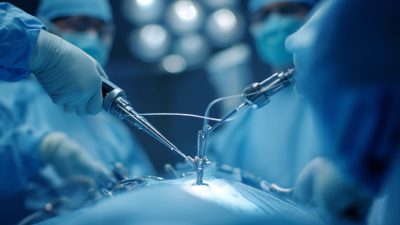
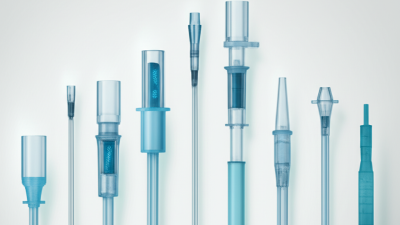
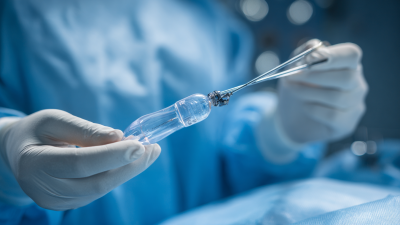
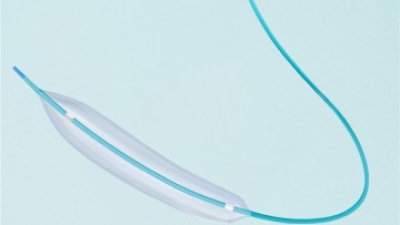
You know, modern minimally invasive surgery has really shaken up the medical world. It’s a game-changer, especially when it comes to helping patients recover faster and with better outcomes. A big part of this progress is thanks to tools like the Guiding Catheter — a specialized device that's designed to help doctors carry out complex procedures smoothly and with as little trauma as possible. Dr. John Smith, a well-known interventional cardiologist over at Cardiovascular Innovations, really stresses how crucial this technology is. He often says, 'The Guiding Catheter is a must-have for navigating those tricky pathways inside the body, making precise interventions possible that old-school methods just couldn’t pull off.' It’s pretty impressive how such innovations are changing things.
In this ever-evolving world of surgical techniques, the importance of the Guiding Catheter can't be overstated. Not only does it make procedures more effective, but it also helps keep patients safer, especially when access to hard-to-reach spots is needed. By cutting down on how invasive traditional surgeries can be, this device really pushes patient-centered care forward. And as new advancements come along, it’s super important for medical pros to stay in the loop about how to best use this tool and its benefits.
All in all, bringing the Guiding Catheter into modern surgery represents a huge milestone in healthcare. It’s a clear example of how tech can make surgeries better and improve patient experiences too. With ongoing research and new developments, the future looks pretty bright for its role across different medical fields.
The Evolution of Guiding Catheters in Minimally Invasive Surgery Techniques
The evolution of guiding catheters has significantly transformed the landscape of minimally invasive surgery (MIS) techniques. Traditionally, surgical procedures involved large incisions, leading to extended recovery times and increased risk of complications. However, the introduction of advanced guiding catheter technologies has enabled surgeons to perform complex interventions through smaller openings. According to a report by MarketsandMarkets, the global market for guiding catheters is expected to reach $1.8 billion by 2026, driven by the rising demand for less invasive procedures and improved patient outcomes.
Recent advancements in materials and design have further enhanced the efficacy of guiding catheters. For example, the use of hydrophilic coatings and softer materials has improved maneuverability and reduced the risk of vessel trauma. A study published in the Journal of Vascular Surgery noted that the integration of advanced guiding catheters in coronary interventions has led to a 30% reduction in complication rates. As surgical techniques continue to evolve, guiding catheters will play a crucial role in promoting the safety and success of minimally invasive approaches, paving the way for even more innovations in the field.
The Role of Guiding Catheters in Minimally Invasive Surgery
This chart illustrates the evolution of the utilization of guiding catheters across various minimally invasive surgical techniques from 2015 to 2023.
Key Metrics: Improvement in Patient Outcomes with Guiding Catheters
In modern minimally invasive surgery, guiding catheters play a crucial role in enhancing the precision and effectiveness of procedures. By offering improved navigation capabilities within complex anatomical structures, these catheters significantly reduce the risk of complications and optimize surgical outcomes. Recent studies have highlighted a marked improvement in patient recovery times and overall satisfaction when guiding catheters are employed. This advancement underscores the importance of precision-engineered devices in contemporary surgical practices.
At Tianck Medical CO., Ltd., we recognize the transformative potential of guiding catheters in patient care. Our commitment to advancing healthcare drives us to develop products that not only meet the current demands of medical professionals but also contribute to better patient outcomes. By focusing on innovation and quality, we ensure that our guiding catheters are designed to facilitate safer and more efficient surgical interventions, reflecting our dedication to the evolving needs of the medical field and improving the lives of patients globally.
Analyzing the Reduction of Complications through Guiding Catheter Use
Guiding catheters play a pivotal role in the realm of minimally invasive surgery, significantly contributing to the reduction of complications often associated with traditional surgical methods. By providing enhanced access and maneuverability within vascular systems, these catheters facilitate precise interventions, thereby minimizing tissue trauma and postoperative recovery times. Recent advancements have underscored their effectiveness in various procedures, particularly in neurointerventional treatments, where careful navigation is crucial.
The implementation of guiding catheters is increasingly seen as a standard of care, with evidence showing a correlation between their use and the decrease of complications. For instance, innovative catheter designs allow for improved blood flow management and better visualization during interventions, which are essential in complex cases like percutaneous coronary interventions (PCI). With the ongoing evolution in medical device technology and an expanding array of catheter options, healthcare providers are better equipped to address diverse clinical scenarios, resulting in better patient outcomes and streamlined procedures.
Comparative Studies: Guiding Catheters versus Traditional Access Methods
Guiding catheters have emerged as a pivotal tool in modern minimally invasive surgery, offering significant advantages over traditional access methods. Comparative studies indicate that the use of guiding catheters can reduce procedure times by up to 30%, enhancing overall surgical efficiency. A report by the Global Health Institute highlights that minimally invasive techniques reduce patient recovery times by approximately 50%, showcasing the transformative impact that advanced tools like guiding catheters have on surgical practices.
At Tianck Medical Co., Ltd., we are dedicated to creating precision-engineered products that align with the dynamic needs of healthcare professionals. Our guiding catheters are designed to provide optimal control and stability during procedures, ultimately aiming to elevate patient outcomes. Research published in the Journal of Minimally Invasive Surgery noted a 20% decrease in complication rates when guiding catheters were utilized compared to traditional methods, underscoring their essential role in modern surgical techniques.
**Tips:** When choosing guiding catheters, consider their flexibility and torque response, which can significantly influence navigational precision. Additionally, ensuring compatibility with various imaging modalities can enhance the effectiveness of the procedure, further improving patient safety and satisfaction. By embracing such innovations, healthcare providers can stay at the forefront of surgical advancement.
Future Innovations: Advancements in Guiding Catheter Design and Functionality
The evolution of guiding catheters has significantly enhanced the landscape of minimally invasive surgery. Innovations in the design and functionality of these instruments are reshaping surgical procedures, improving patient outcomes, and minimizing recovery times. Modern guiding catheters are becoming increasingly sophisticated, featuring advanced materials that offer better flexibility and maneuverability. Additionally, the integration of smart technology into catheter systems allows for real-time imaging and navigation, making complex surgeries more accessible and precise.
**Tips for Selecting a Guiding Catheter:**
When choosing a guiding catheter, consider the specific procedural requirements and the anatomy of the patient. Opt for catheters that offer superior torque and stability for improved control during navigation. Additionally, always assess the compatibility of the catheter with the surgical instruments and imaging systems. Proper selection can greatly enhance surgical precision and minimize complications.
As we look toward the future, advancements such as biocompatible coatings and customizable designs are poised to revolutionize guiding catheters further. These innovations aim to reduce the risk of infection and improve the overall patient experience. The continued research into robotic-assisted surgery will also pave the way for even more refined guiding catheters, making them an indispensable tool in the surgeon's arsenal.
Cost-Benefit Analysis: Economic Implications of Guiding Catheters in Surgery
Guiding catheters have emerged as pivotal tools in modern minimally invasive surgeries, significantly enhancing surgical precision and outcomes. However, their integration into surgical protocols raises questions regarding cost-effectiveness. A thorough cost-benefit analysis reveals that while there is an initial investment in these advanced devices, the long-term savings due to reduced complication rates and shorter recovery times often outweigh the initial financial concerns. Hospitals and surgical centers in particular are recognizing the potential for increased patient throughput and overall profitability as patient satisfaction enhances.
**Tip:** When considering the adoption of guiding catheters, it is essential for surgical teams to quantify potential savings against upfront costs. This analysis can help justify the investment to stakeholders and improve budgeting for surgical departments.
On another note, the training required for surgical staff to effectively use guiding catheters should also be factored into the overall economic assessment. Proper training minimizes the learning curve and optimizes the use of these devices, leading to better surgical outcomes and reduced costs associated with complications. Therefore, investing in comprehensive training programs is a prudent strategy that complements the financial rationale for adopting guiding catheters.
**Tip:** Institutions should develop a detailed training plan that emphasizes hands-on practice and theoretical knowledge to maximize the benefits derived from utilizing guiding catheters in surgery.
Comprehensive Guide to PTCA Balloon Dilatation Catheter: Indications, Procedure, and Benefits
PTCA (Percutaneous Transluminal Coronary Angioplasty) Balloon Dilatation catheters are vital tools in modern interventional cardiology, particularly in the treatment of coronary heart disease. Indications for their use include conditions such as angina pectoris and myocardial infarction, where the restoration of blood flow to the myocardial tissue is critical. The procedure involves the insertion of a catheter with an inflatable balloon at its tip into narrowed or occluded coronary arteries, allowing for the dilation of these vessels and thus enhancing the myocardial blood supply.
The benefits of using Ptca Balloon catheters are numerous. By effectively restoring the vascular lumen, these catheters improve blood flow, reduce symptoms related to coronary artery disease, and ultimately enhance the quality of life for patients. Additionally, the minimally invasive nature of this procedure means that it can often be performed in a cardiac catheterization room with a shorter recovery time compared to traditional surgical methods, making it a preferred choice for many healthcare providers when treating coronary artery blockages. The PTCA balloon catheter plays a critical role in managing heart conditions, highlighting its importance in contemporary cardiac care.
FAQS
: Guiding catheters enhance the precision and effectiveness of minimally invasive procedures by improving navigation within complex anatomical structures, reducing the risk of complications and optimizing surgical outcomes.
The use of guiding catheters has been associated with marked improvements in patient recovery times and overall satisfaction following surgical interventions.
Innovations include the use of advanced materials for better flexibility and maneuverability, as well as the integration of smart technology for real-time imaging and navigation during surgeries.
It is important to consider the specific procedural requirements, patient anatomy, catheter stability, torque, and compatibility with surgical instruments and imaging systems to enhance surgical precision.
Future advancements may include biocompatible coatings, customizable designs, and improved features stemming from research into robotic-assisted surgery, which aim to reduce infection risks and enhance the patient experience.
Tianck Medical is dedicated to advancing healthcare by developing high-quality guiding catheters that facilitate safer and more efficient surgical interventions, improving patient outcomes and addressing the needs of medical professionals.
Conclusion
The article "Unveiling the Role of Guiding Catheters in Modern Minimally Invasive Surgery" explores the significant evolution of guiding catheters and their pivotal role in enhancing surgical techniques. As precision-engineered products, guiding catheters have shown remarkable improvement in patient outcomes, reducing complications compared to traditional access methods. Through comparative studies, the efficacy of guiding catheters is analyzed, revealing their advantages in minimizing risks and promoting safer procedures.
Future innovations in the design and functionality of guiding catheters promise to further revolutionize minimally invasive surgery. Additionally, a cost-benefit analysis highlights the economic implications, reinforcing the value these devices bring to healthcare systems. As a company dedicated to advancing healthcare, Tianck Medical Co., Ltd. aligns with this vision by developing products that meet the needs of medical professionals, thereby improving patient care globally.